
Five Little‑Known Seashell Facts That Will Change the Way You See the Shore
Seashell Supply on 29th Dec 2025
Most people pick up seashells because they’re pretty, nostalgic, or perfect for a windowsill display. But beneath those spirals and ridges lies a world of strange, surprising, and downright magical science. Today, we’re diving into five obscure seashell facts—details even seasoned shell collectors may not know.
Whether you’re a beachcomber, a conchology nerd, or simply someone who appreciates the poetry of the ocean, these facts will give you a whole new appreciation for the treasures at your feet.
-
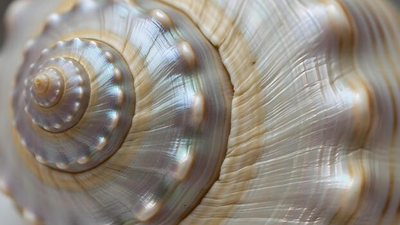
Seashells Grow in Rings—Just Like Trees
It turns out your favorite spiral shell is also a tiny time capsule.
According to Wildlife SOS, seashells grow in circular patterns that function much like tree rings, and counting these rings can help estimate the age of the mollusk that built it.
Each ring marks a growth period, influenced by food availability, temperature, and environmental stress. So the next time you find a shell with beautifully defined ridges, you’re holding a record of the creature’s entire life story.
-
Some Seashells Glow in the Dark
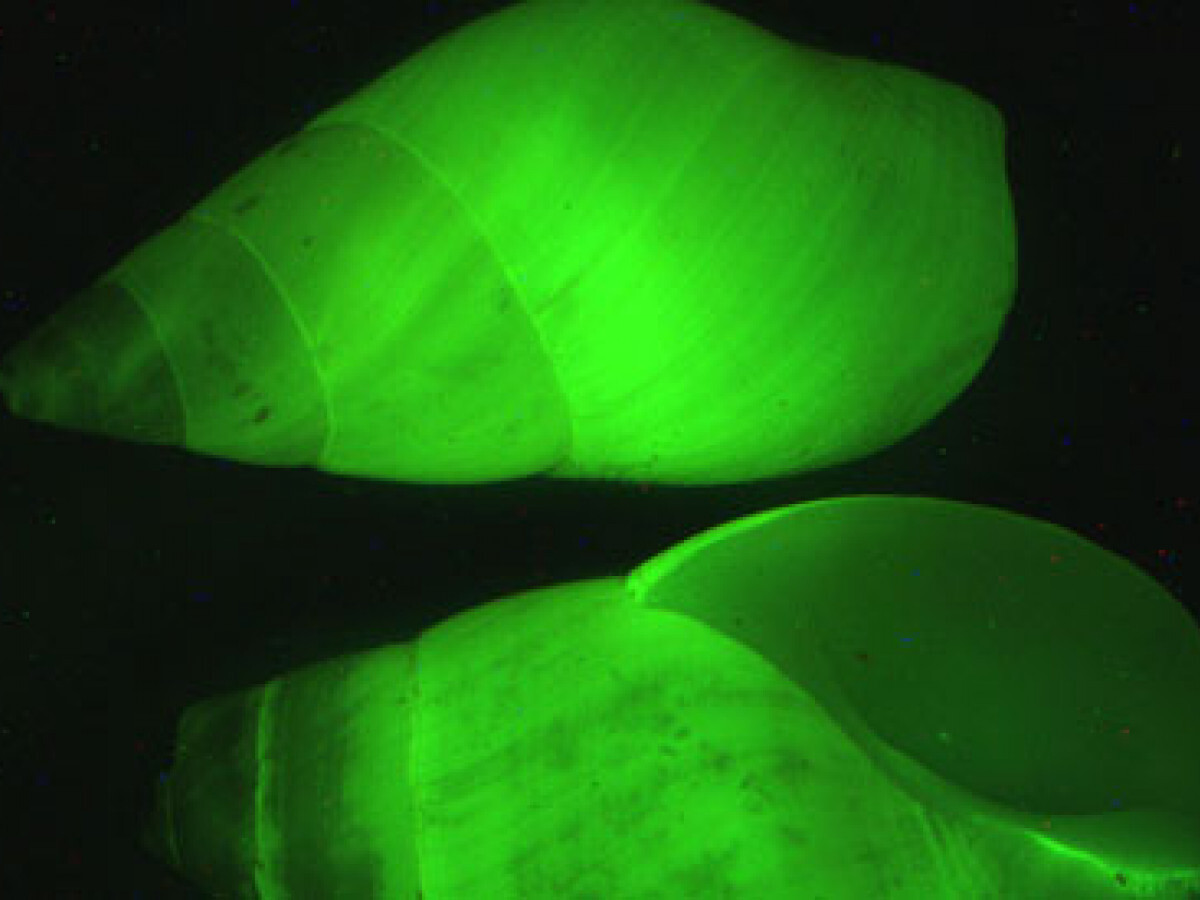
This one feels like ocean magic: certain seashells are bioluminescent.
Luxwisp notes that some species naturally glow due to chemical reactions within the shell or due to organisms living on them.
These glowing shells are rare, but they’ve been documented in deep‑sea environments where bioluminescence is a survival tool. Imagine stumbling upon one during a night walk on the beach—it would feel like finding a star that fell into the tide.
-
Abandoned Shells Become Micro‑Cities
We all know hermit crabs love a good hand‑me‑down shell, but the story goes deeper.
Wildlife SOS explains that once a mollusk dies, its shell becomes prime real estate for an entire ecosystem.
A single empty shell can host:
- Hermit crabs
- Algae
- Seagrass
- Sponges
- Microorganisms
- Fish seeking shelter
- Even octopuses and decorator crabs using shells for camouflage
It’s not just a leftover home—it’s a bustling neighborhood.
-
Seashells Help Prevent Beach Erosion
This is one of the most surprising ecological roles seashells play.
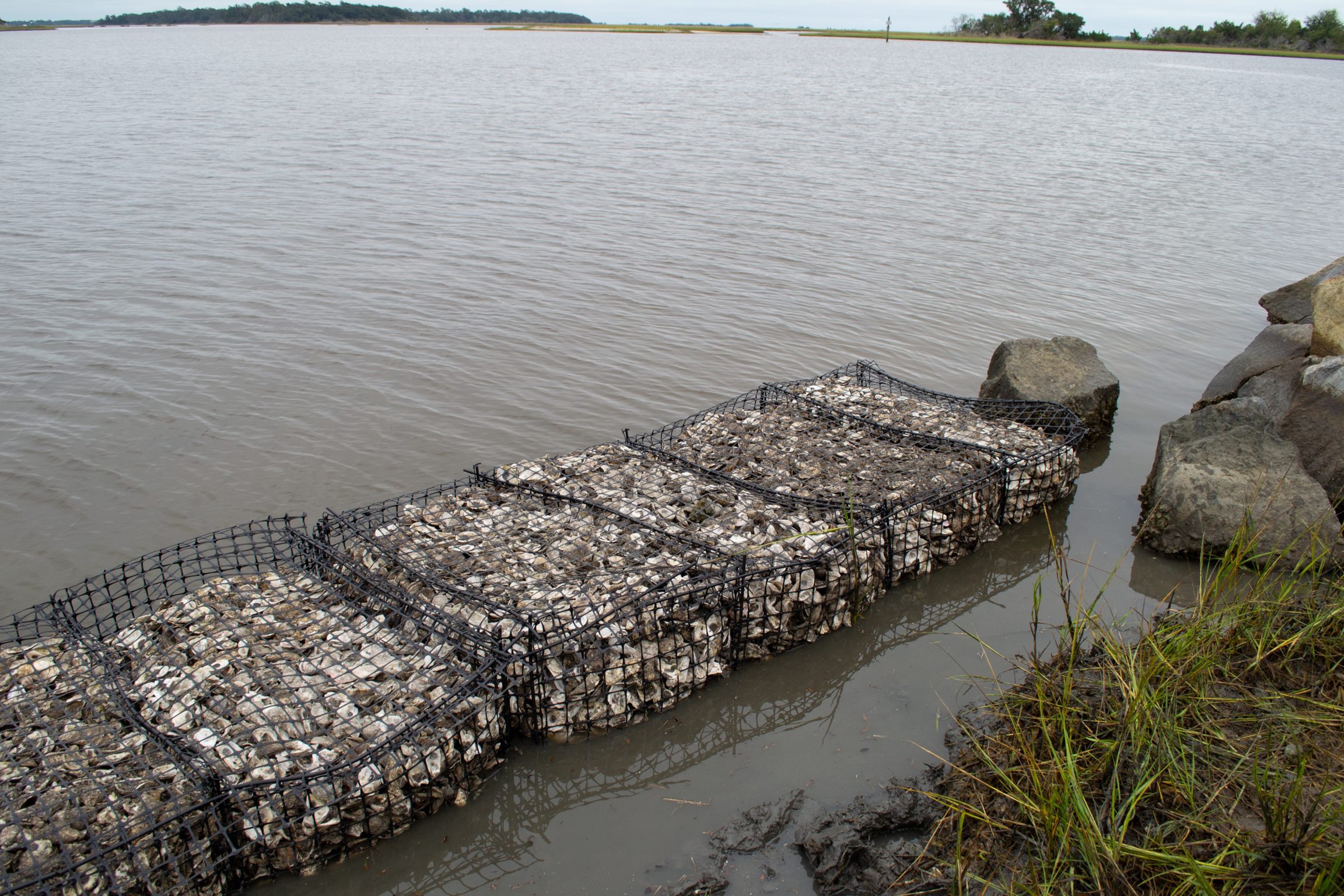
As shells wash ashore and eventually break down, they restore calcium carbonate to the sand, helping maintain shoreline structure and prevent erosion.
In other words:
Your beach stays a beach partly because of the shells beneath your feet.
This is also why many conservationists discourage removing large quantities of shells from beaches—those tiny fragments matter more than we realize.
-
The Nautilus Shell Isn’t Just Pretty—It’s a Natural Submarine
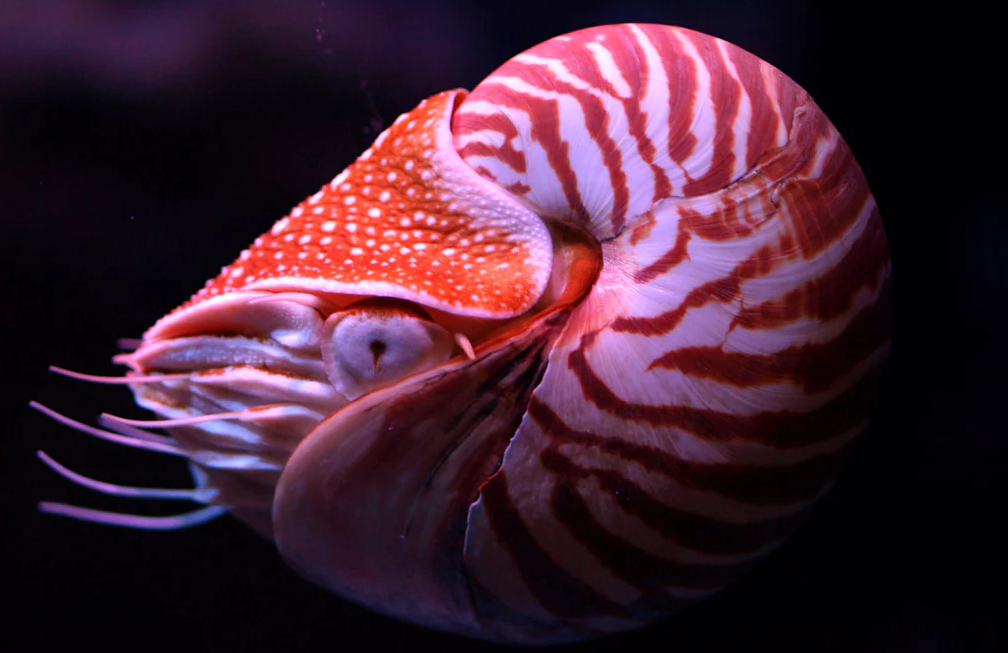
While many people admire the nautilus for its perfect spiral, few know that its chambers serve a very specific purpose.
Facts.net highlights that the nautilus uses its internal chambers to regulate buoyancy, functioning like a biological submarine.
By adjusting the gas and liquid inside these chambers, the nautilus can rise, sink, or hover effortlessly in the water column. It’s one of nature’s most elegant engineering feats.