
The Surprising Role of Crushed Shells in Water Filtration
Seashell Supply on 5th Jan 2026
In a world increasingly focused on sustainable solutions, nature often provides the best innovations. One such example is the use of crushed shells—primarily from oysters, clams, and other mollusks—as a filtration medium. These humble byproducts of the seafood industry are transforming waste into a valuable resource for cleaning water. But how exactly do they work? What do they filter? And what should you consider before implementing them? Let's dive in.
What Crushed Shells Commonly Filter
Crushed shells are versatile in addressing various water quality issues, particularly in wastewater treatment, aquaculture, and even home aquariums. Their primary component, calcium carbonate (CaCO3), along with traces of chitin and proteins, enables them to act as natural adsorbents and buffers.
- Organic Matter and Nutrients: In domestic and agricultural wastewater, crushed shells effectively reduce biochemical oxygen demand (BOD5), nitrogen, and phosphorus. For instance, they can remove phosphorus from livestock farm waste, preventing eutrophication in water bodies. This makes them ideal for treating sewage from pig farms or similar operations.
- Heavy Metals: Shells excel at absorbing toxic metals like lead (Pb), nickel (Ni), and copper (Cu). Studies show that clam and oyster shells can extract nearly twice their weight in lead through ion exchange, reducing concentrations from 10,000 mg/L to under 0.5 mg/L in minutes.
- Odors and Pollutants: In biofilters, crushed shells neutralize odorous sulfur compounds in wastewater treatment plants, achieving over 99% removal efficiency. They're also used for turbidity removal in drinking water, serving as a rough filter alternative to traditional coagulation and sedimentation.
- pH and Hardness in Aquariums and Ponds: In smaller-scale applications, like fish tanks or koi ponds, crushed oyster shells buffer acidic water, stabilizing pH around neutral levels and adding beneficial calcium. This is especially useful for species that thrive in harder water.
How Crushed Shells Are Used in Filtration
The application of crushed shells is straightforward yet effective, leveraging their porous structure and chemical properties.
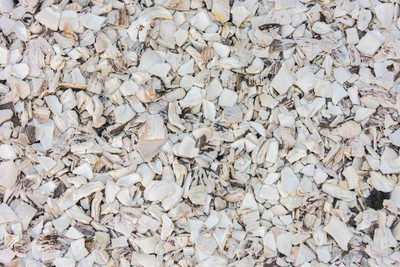
1. Preparation: Shells are collected as waste from seafood processing, cleaned (often washed with chlorine and dried to eliminate pathogens), and crushed into granules. Unburned shells are preferred for some uses to retain their natural properties.
2. Integration into Systems:
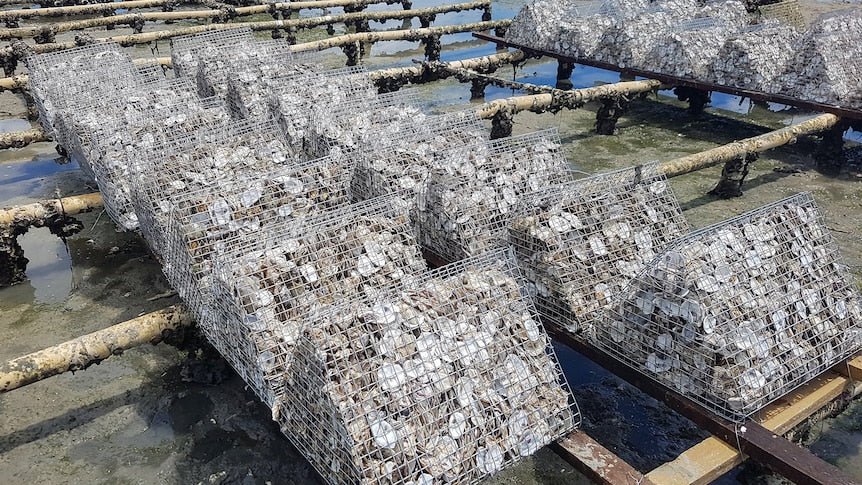
- Biofilters and Contact Beds: In wastewater plants, shells form packed beds where water flows through, allowing microbial activity to break down contaminants. Examples include horizontal flow tanks like the Horizontal Aerated Oyster Shell (HAOS) system, which outperforms gravel in BOD5 reduction.
- Aquarium Filters: A handful of crushed shells is placed in mesh bags inside canister or sump filters. As water passes over them, the shells slowly dissolve, releasing calcium and buffering pH.
- Large-Scale Treatment: For drinking water or industrial waste, shells serve as filler in filters, rapidly adsorbing metals via ion exchange. Efficiency improves with higher temperatures (e.g., copper removal jumps from 22.5% at 25°C to 83.5% at 50°C).
3. Mechanisms: The magic lies in adsorption (contaminants sticking to the shell surface), ion exchange (swapping calcium for heavy metals), and biological filtration (hosting beneficial bacteria).
Key Considerations for Using Crushed Shells
While crushed shells offer an eco-friendly alternative, they're not a one-size-fits-all solution. Here are the pros, cons, and tips to keep in mind:
Benefits
- Sustainability: Repurposes waste, reducing landfill use and providing a renewable, low-cost material.
- Efficiency: Rapid contaminant removal with minimal energy input, and byproducts can even be returned to farmland as phosphate fertilizer.
- Natural and Safe: Low environmental impact, no harmful chemicals added, and they support biodiversity in applications like reef restoration indirectly.
- Versatility: Effective across scales, from home aquariums to industrial plants.
Drawbacks
- pH Spikes: Initial use can cause a sharp pH increase; always rinse thoroughly and introduce gradually to avoid shocking aquatic life.
- Water Hardening: Adds calcium, which hardens water—beneficial for some systems but problematic for soft-water species or plants.
- Maintenance Issues: In marine or high-detritus environments, shells can trap waste, leading to elevated phosphates and nitrates if not cleaned regularly.
- Variable Efficiency: Performance depends on factors like temperature, shell type (e.g., oyster vs. clam), and initial contaminant levels. Not ideal for all pollutants without complementary treatments.
Practical Tips
- Sourcing: Use clean, processed shells to avoid introducing bacteria or pollutants. Avoid beach-collected shells unless thoroughly sterilized.
- Monitoring: Regularly test pH, hardness, and contaminant levels. Start with small amounts (e.g., 2.5 kg in mesh bags for ponds).
- Scale Appropriately: For aquariums, monitor for over-buffering; in wastewater, combine with aeration for optimal results.
- Regulations: Ensure compliance with local water treatment standards, especially for drinking water applications.

Conclusion
Crushed shells represent a brilliant intersection of waste reduction and environmental engineering. From purifying wastewater to stabilizing aquarium ecosystems, their applications are as diverse as they are effective. By considering factors like pH impact and maintenance, you can harness this natural filter to improve water quality sustainably. Next time you enjoy seafood, remember: those discarded shells might just be the key to cleaner water tomorrow.