
Three Of The Most Bizzare Finds in the World Of Seashells
Seashell Supply on 2nd Mar 2026
Here are three truly bizarre shell specimens that would make a great feature for a curiosities-of-the-sea blog.
1. The Ram’s Horn Squid Shell: A Coiled Ghost of the Deep
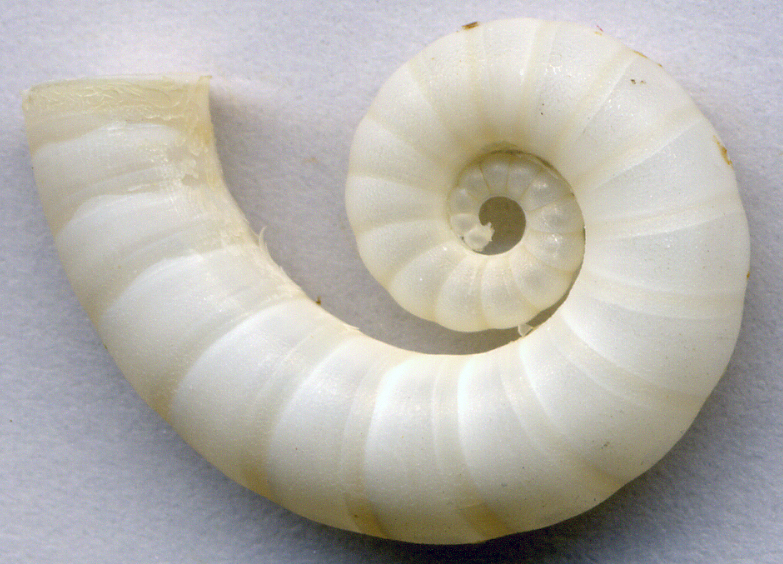
Most seashells you see on the beach once belonged to snails or clams, but the ram’s horn squid (genus Spirula) carries something far stranger: a tiny, perfectly coiled internal shell shaped like a miniature ivory ram’s horn. Instead of sitting on the outside, this shell is hidden inside the animal’s body and helps control buoyancy, like a built-in submarine tank. When the animal dies, the delicate spiral shell sometimes washes ashore, looking like an alien artifact rather than part of a squid.
What makes it so weird is the combination of form and function: it’s a spiral like a nautilus, but shrunken and tucked away inside a squid that spends most of its life in the dark midwater depths. Beachcombers often have no idea what they’re looking at, and many shells are so fragile that only pieces survive the journey to the sand. For collectors, finding an intact ram’s horn shell is like striking deep-sea gold.
Rams Horn Squid shells can travel a long distance before they was up on a beach. They are most commonly found in temperate to tropical regions like New Zealand, South Africa, the Gulf of Mexico and the Canary Islands. These squid do not live on the ocean floor but drift along in deep ocean waters.
2. Venus Comb Murex: Nature’s Gothic Weapon
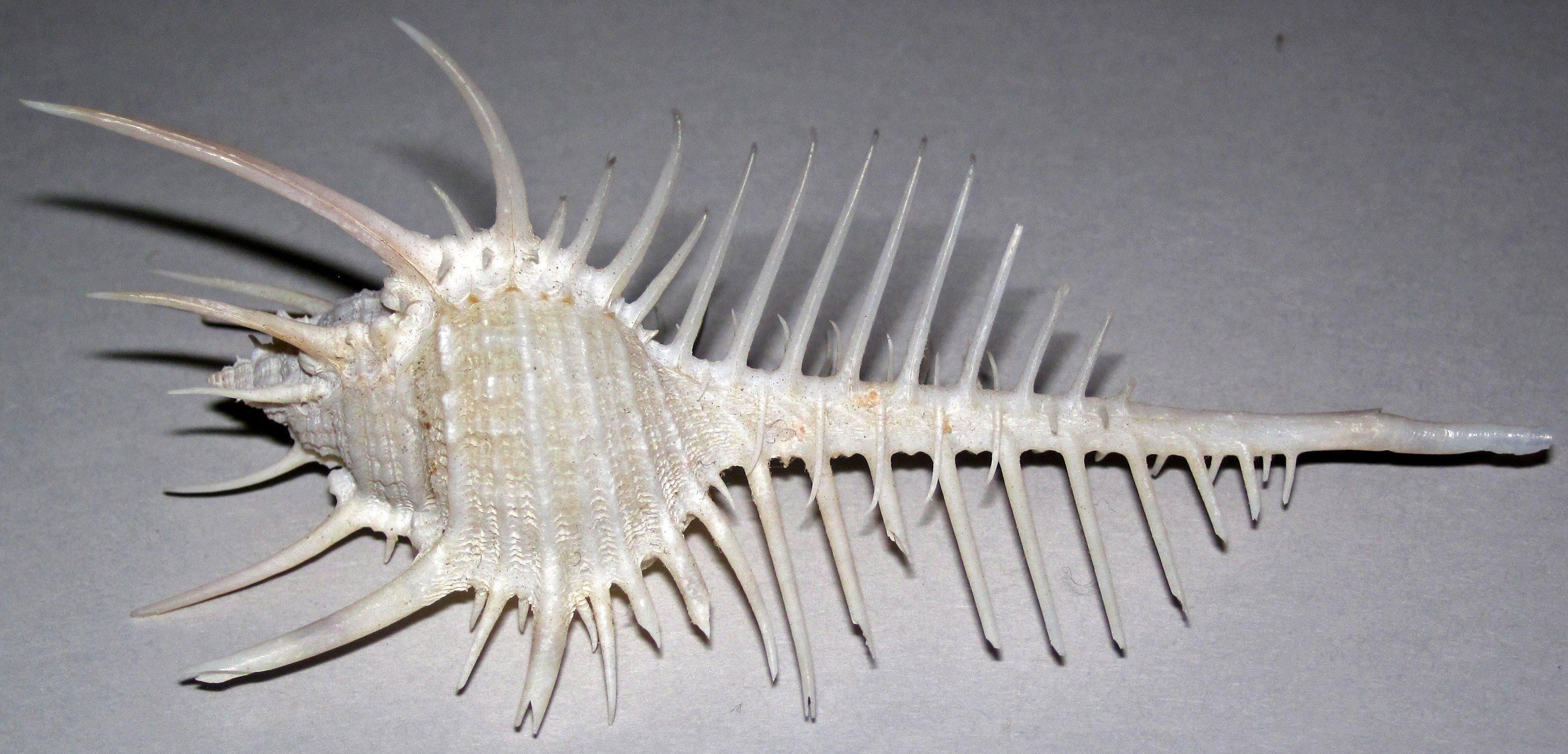
The Venus comb murex (Murex pecten) is one of the most dramatic shells ever found, bristling with long, thin spines that look more like a medieval torture device than a home for a sea snail. The central shell is relatively small, but it’s surrounded by a forest of slender spikes that can be longer than the shell itself. At first glance, it looks impossible that such a fragile, barbed structure could survive crashing waves.
Those spines may help keep predators at bay, but they also have a practical role: they increase the shell’s surface area, making it harder for the snail to sink into soft seafloor sediment. For shell collectors, the Venus comb murex is a showstopper—beautiful, intricate, and slightly menacing. It’s the kind of specimen that instantly grabs attention in a display case and makes people ask, “Is that really real?”
Venus comb shells are found in shallow water with soft sandy bottom soil in the Indo-Pacific region of the worlds oceans. Especially off the coast of Japan and the Philippines.
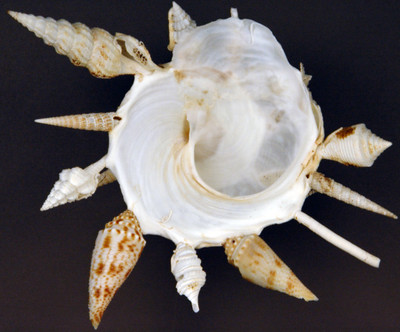
3. Carrier Shells: Seashells That Wear Seashells
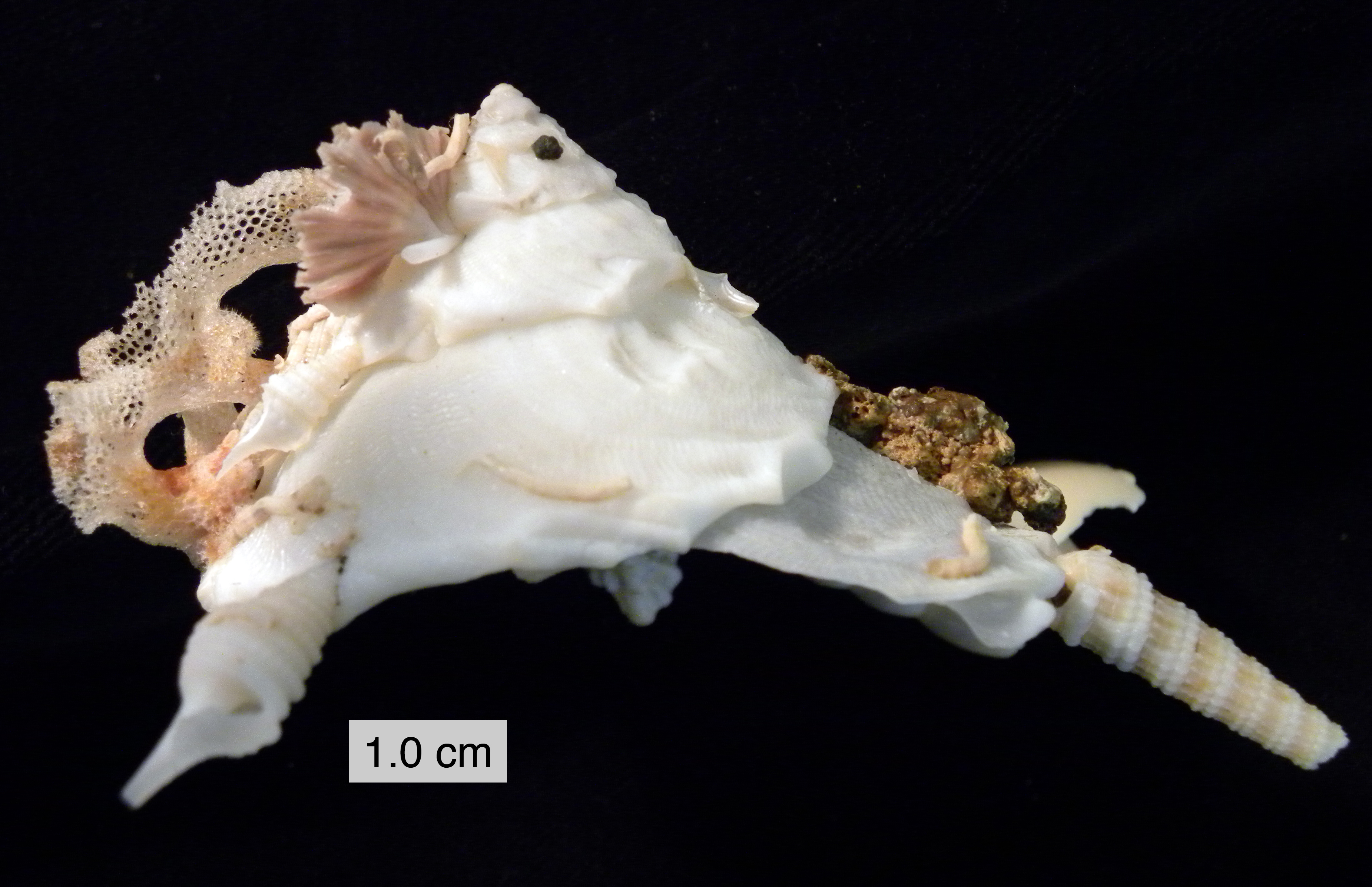
Carrier shells (family Xenophoridae) might be the strangest decorators in the ocean. As they grow, these snails actively glue other objects—tiny shells, pebbles, even bits of coral—onto their own shell. Over time, the result looks less like a single shell and more like a collage, a bizarre crown of stolen treasures welded together. From above, you often see only a mosaic of attached shells, hiding the “host” shell underneath.
Scientists think this behavior helps camouflage the snail, breaking up its outline and making it harder for predators to recognize. It may also stabilize the snail on soft or shifting seafloor, turning its home into a natural snowshoe. For collectors, every carrier shell is unique: a one-of-a-kind sculpture built slowly by a quiet creature crawling along the seabed, curating its own personal art installation from whatever it can find.
Carrier Shells are found all over the world on the sandy or muddy bottoms of tropical and sub-tropical waters. They inhabit depths ranging from shallow coastal waters to over 1,400 meters, with significant populations in the Indo-Pacific, Gulf of Mexico, and along the Western coast of Africa