
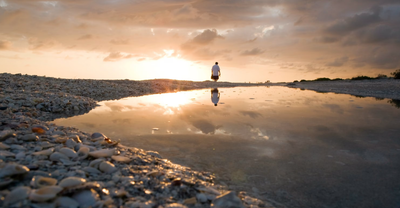
Which of The World's Popular Shelling Beaches Are Running Out Of Shells And Why?
SeashellSupply on 9th Feb 2026
Many of the world’s best shelling beaches are seeing noticeably fewer shells, with local over-collecting, coastal development, and climate-driven changes all playing a role.nationalgeographic+1
Sanibel & Captiva Islands, Florida, USA
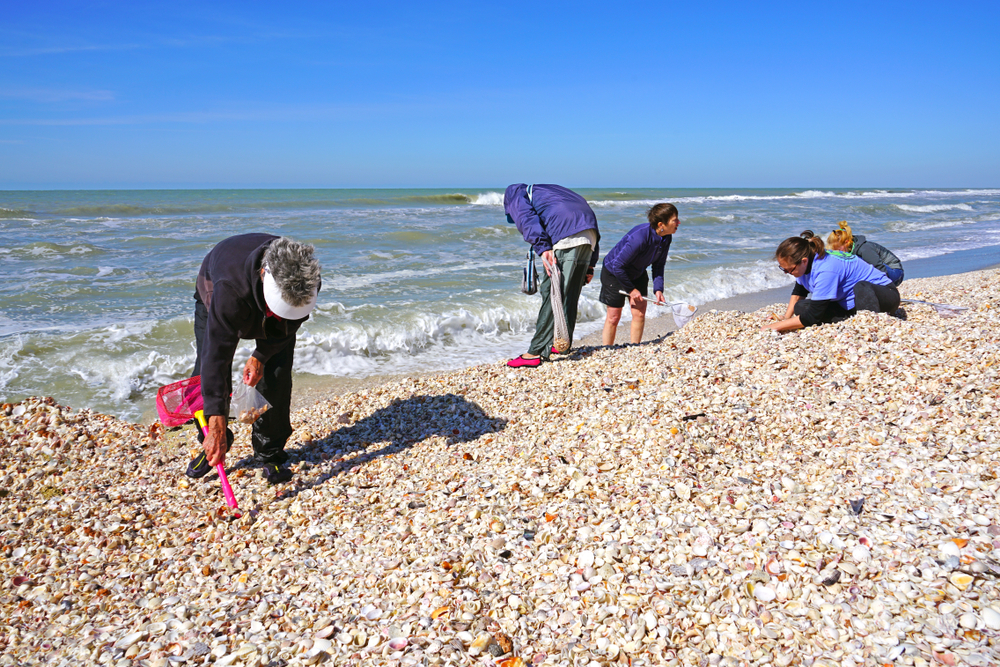 Photo by Kingfisher Vacation Rentals
Sanibel and Captiva have long marketed themselves as the “shelling capital of the world,” with over 400 species historically washing ashore along Lighthouse Beach, Blind Pass, and other stretches. In recent decades, concerns about overharvest of live animals led to increasingly strict regulations, culminating in a complete ban on live shelling within Sanibel’s offshore waters starting in 1995.thesancapguide+1
Despite protections, shelling quality has become more inconsistent, with locals and tour operators noting thinner shell lines in peak summer and after major storms compared to the past. Key pressures include decades of heavy tourism and recreational collecting, mechanical beach grooming that removes shell hash, beach renourishment projects that bury shell beds, and regional stressors on mollusks such as warming waters, red tides, and coastal pollution.floridamuseum.ufl+3
Llarga Beach, Costa Dorada, Spain
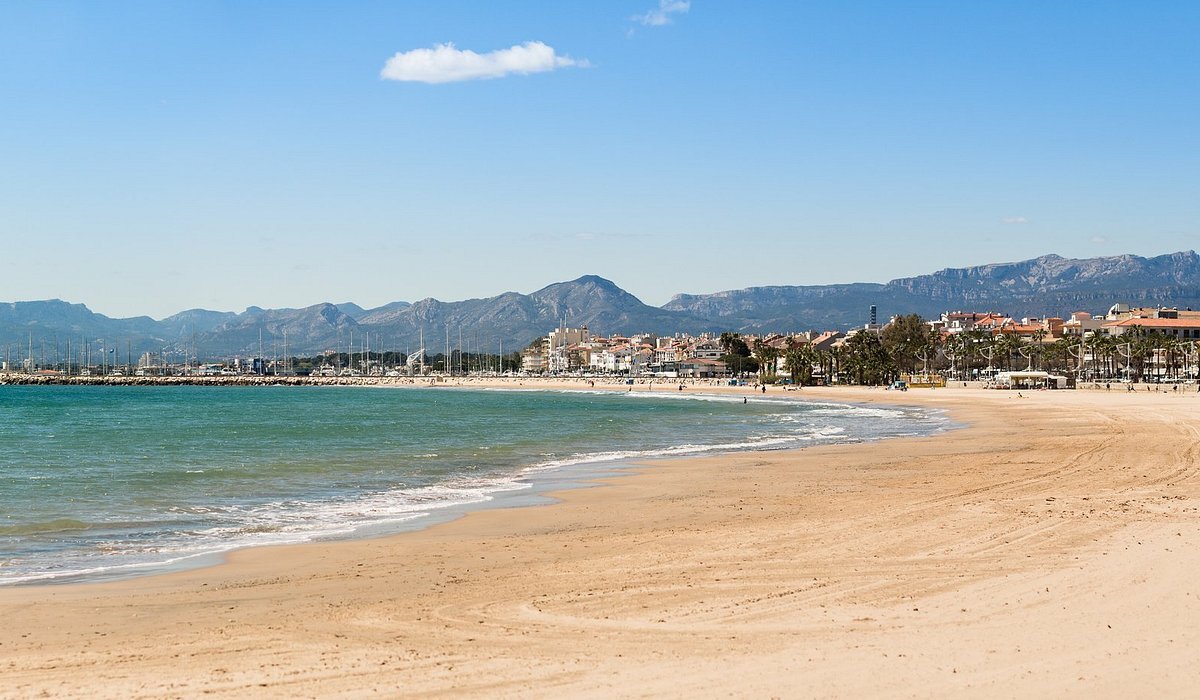
Llarga Beach on Spain’s Mediterranean coast was once rich in shells from small mollusks, making it a classic casual shell-collecting stop for tourists. A long-term study there found shell numbers dropped by more than 60–70% over about 30 years, even though local physical conditions like wave energy and climate remained relatively stable.ub+2
Researchers linked the decline closely to a several-fold rise in tourism, showing that as visitor numbers climbed, shell abundance on the sand fell nearly in parallel. Drivers include people taking shells home, trampling, off-road vehicles, and tractors used for beach cleaning, which collectively strip shells from the beach faster than natural processes can replenish them.smithsonianmag+4
Western Mediterranean Tourist Beaches
The Llarga findings likely apply widely across heavily visited Western Mediterranean beaches in Spain, France, and Italy where shelling used to be casual but rewarding. Studies show that even on “moderately” busy beaches, tourist growth of around 2.7 times over a few decades can correlate with shell declines of roughly threefold, without major changes in currents or storms.english.elpais+3
On these resorts, mass tourism amplifies multiple stressors at once: beach grooming, shore construction, nutrient and organic pollution, and souvenir collecting, all of which remove or break shells and reduce the survival of the mollusks that produce them. Because shells also help stabilize sand and provide microhabitats, their loss can feed back into more erosion and poorer habitat, making future shell production even lower.utopia+3
Florida’s East Coast Barrier Islands
Along Florida’s Atlantic barrier islands, such as Hutchinson Island and nearby beaches once known for whelks, conchs, and other large shells, collectors increasingly report sparse finds compared with previous decades. Many of the large mollusks that built these recognizable shells have declined due to fishing pressure and harvest (for food, curios, or bait), especially in nearshore waters.[nationalgeographic]
Intense coastal engineering—jetties, inlets, and repeated beach renourishment—has altered currents and buried or fragmented offshore shell-producing habitats, further reducing what washes ashore. Rising ocean temperatures, acidifying waters, and pollution from land-based runoff also stress mollusk populations, meaning fewer animals survive long enough to grow large shells that later arrive on the beach.[nationalgeographic]
Southern California Coastal Shelf & Beaches
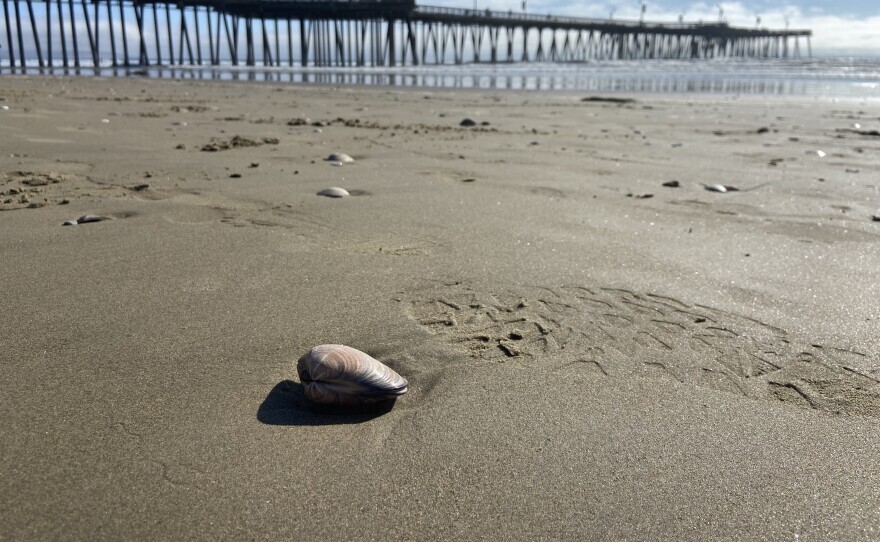 Photo by Amanda Wemick
While Southern California beaches were never as famous for trophy shelling as Sanibel, fossil and sediment records show that the offshore continental shelf once supported a rich shell-producing ecosystem that fed coastal sands. Geological work has linked the long-term decline of these communities to watershed changes that began with Spanish-era cattle grazing, which greatly increased sediment runoff into the coastal ocean.[nationalgeographic]
Increased siltation smothered many hard-bottom, shell-rich habitats, favoring mud-loving clams over the more diverse communities that once generated abundant, robust shells. Modern coastal urbanization, pollution, and warming add further stress, so present-day visitors to many Southern California beaches see far fewer large, intact shells than the historical fossil record suggests was once normal.[nationalgeographic]
Broader Causes Behind the Shell Shortage
Across these and other once-prolific shelling beaches, several themes repeat and interact.floridamuseum.ufl+2
-
Direct collecting by tourists: Removing vast numbers of shells each year, often as souvenirs, steadily depletes the “bank account” of dead shells on the sand.ub+3
-
Beach management practices: Mechanical grooming, vehicles, and renourishment bury, crush, or export shells faster than waves and animals can replace them.utopia+2
-
Coastal development and fishing: Jetties, seawalls, dredging, and fisheries targeting mollusks reduce the living populations that produce shells in the first place.utopia+1
-
Climate stress and pollution: Warming, acidification, and runoff weaken shell-building animals, lowering growth and survival rates, particularly for large, charismatic species.utopia+1