
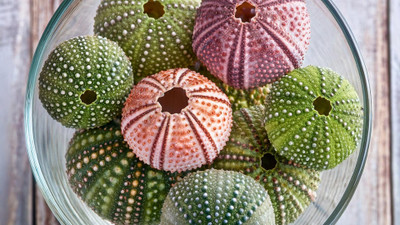
You Are What You Eat: How Shellfish Diets Create Shell Color
Seashell Supply on 26th Jan 2026
Shellfish shells look like tiny works of art—striped, speckled, pearly, fiery orange, deep purple, or chalky white. While genetics and environment matter, diet plays a surprisingly important role in producing many of these colors. The pigments shellfish consume are often absorbed, modified, and deposited into their shells, sometimes directly reflecting what’s on the menu.
Let’s take a look at what shellfish eat, which pigments are involved, and where in the world these colorful shells are found.
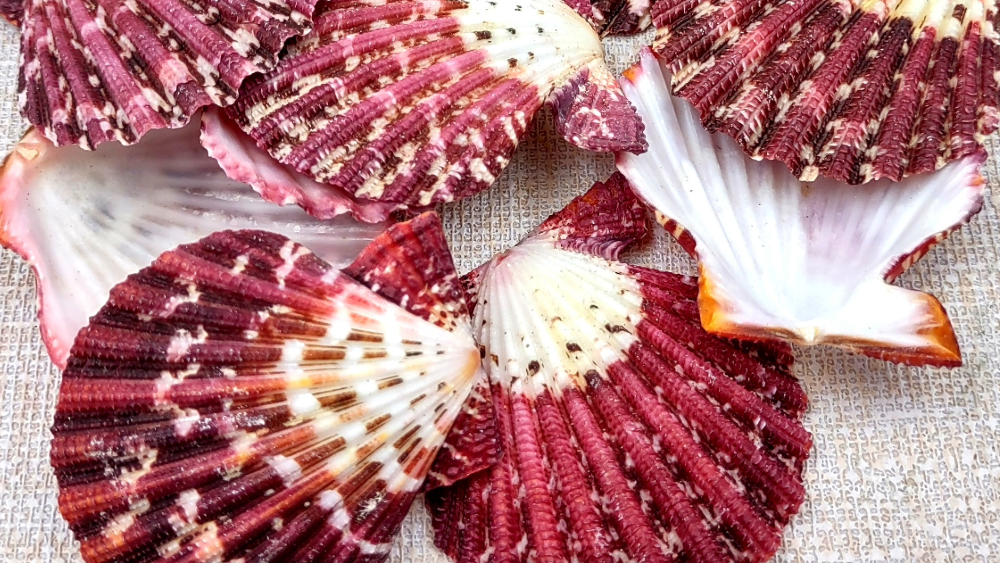
The Pigments Behind the Colors
Most shell colors come from a combination of:
- Carotenoids (reds, oranges, yellows)
- Melanins (browns and blacks)
- Porphyrins (pinks, reds, purples)
- Structural coloration (light reflecting off microscopic layers, creating iridescence)
Shellfish can’t usually make these pigments themselves—they get them from food.
Bivalves: Oysters, Clams, and Mussels
Oysters (Crassostrea spp.)
What they eat:
- Phytoplankton (especially diatoms and dinoflagellates)
- Microscopic algae rich in carotenoids
Shell colors:
White, gray, brown, purple, and occasionally greenish
How diet affects color:
Diatoms contain pigments like fucoxanthin, which can influence darker or olive-toned shells. Purple hues often come from porphyrin pigments, which are influenced by both diet and genetics.
Example regions:
- Eastern Oyster (Crassostrea virginica) – Atlantic coast of North America
- Pacific Oyster (Crassostrea gigas) – Japan, Pacific Northwest, France
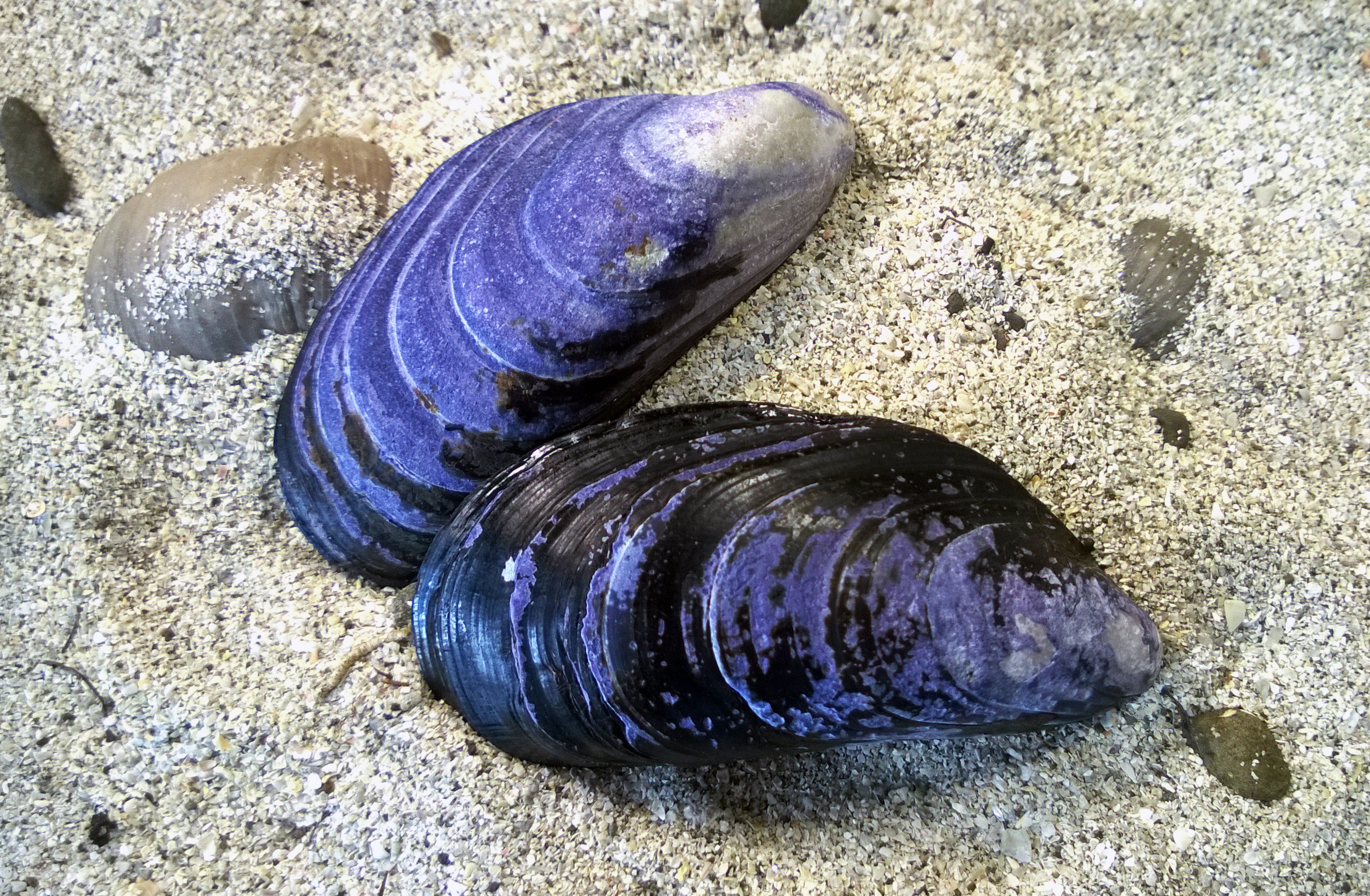
Blue Mussels (Mytilus edulis)
What they eat:
- Phytoplankton
- Suspended organic particles
Shell colors:
Deep blue, black, sometimes brown
How diet affects color:
While melanins dominate mussel shells, diets rich in certain algae can intensify darkness and sheen.
Example regions:
- North Atlantic coasts (New England, Scandinavia)
- Northern Europe
Gastropods: Snails, Abalone, and Conchs
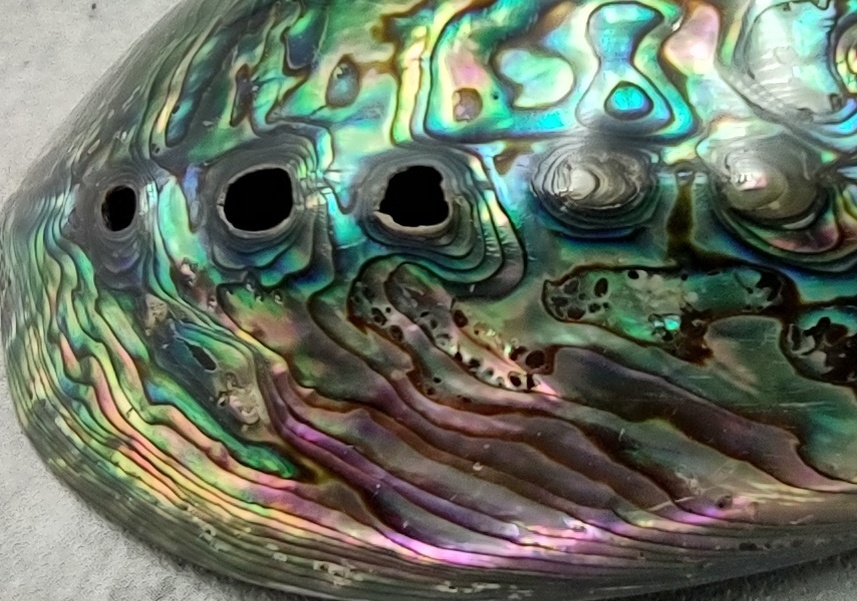
Abalone (Haliotis spp.)
What they eat:
- Kelp and red algae (especially coralline algae)
Shell colors:
Iridescent blues, greens, pinks, and silvers (nacre)
How diet affects color:
Red algae are packed with carotenoids and chlorophyll derivatives, which influence both shell coloration and the shimmering nacre layers. The famous iridescence comes from microscopic shell structures, but diet determines the pigment palette those structures reflect.
Example regions:
- California coast (Haliotis rufescens)
- South Africa
- Australia and New Zealand
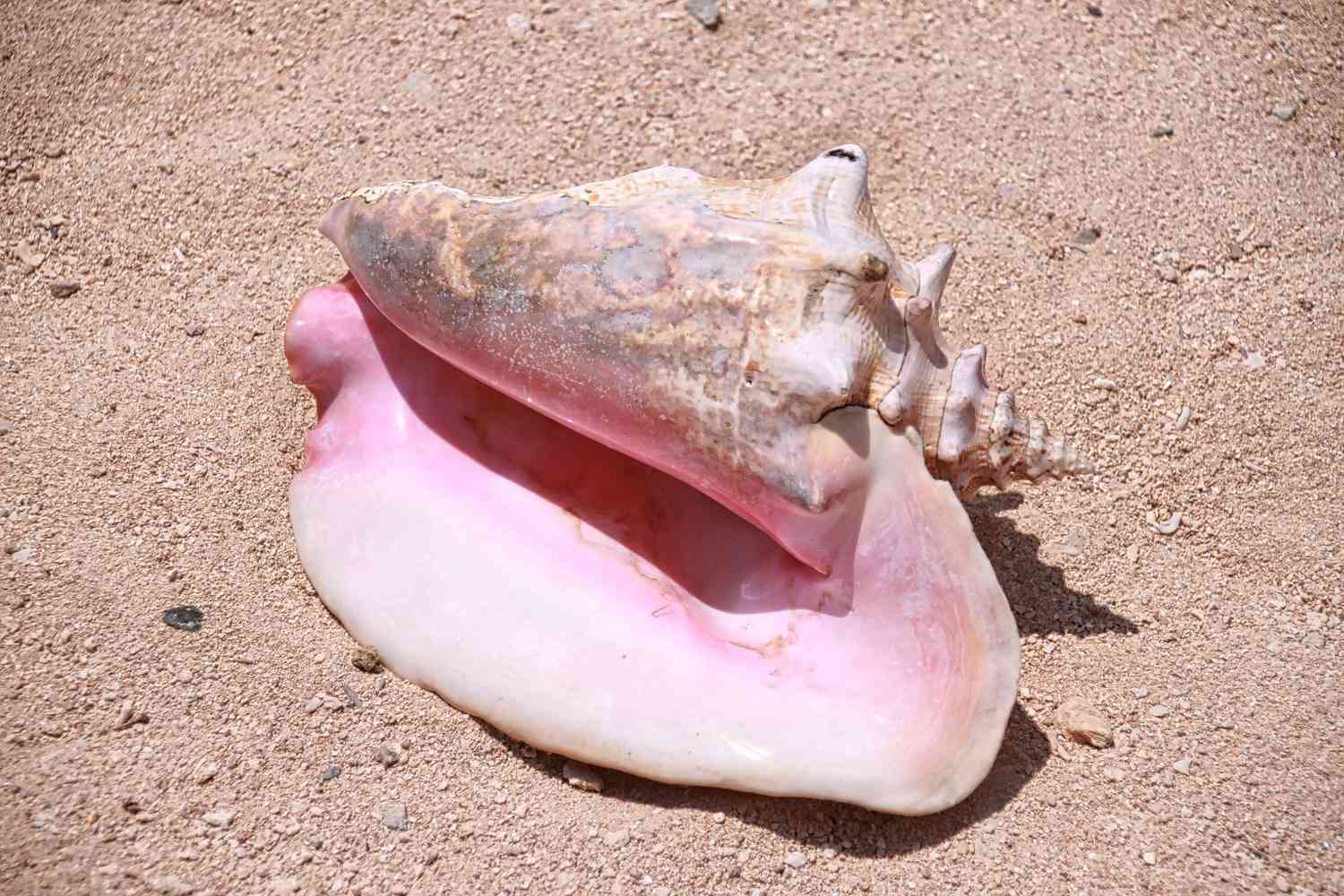
Queen Conch (Aliger gigas)
What they eat:
- Seagrass
- Algae growing on seagrass blades
Shell colors:
Creamy white exterior, vibrant pink interior
How diet affects color:
Carotenoids from algae are believed to contribute to the iconic pink interior, amplified by shell structure and thickness.
Example regions:
- Caribbean Sea
- Bahamas, Turks and Caicos
Colorful Clams and Cockles
Giant Clams (Tridacna spp.)
What they eat:
- Filter-fed plankton
- Symbiotic algae (zooxanthellae) living in their tissues
Shell colors:
White shells with fluted edges; mantle tissue shows electric blues, greens, and golds
How diet affects color:
While the shell itself is mostly white calcium carbonate, pigments from symbiotic algae influence growth patterns and shell margins. The algae get nutrients from the clam and sunlight—an underwater solar partnership.
Example regions:
- Indo-Pacific
- Great Barrier Reef
- Micronesia
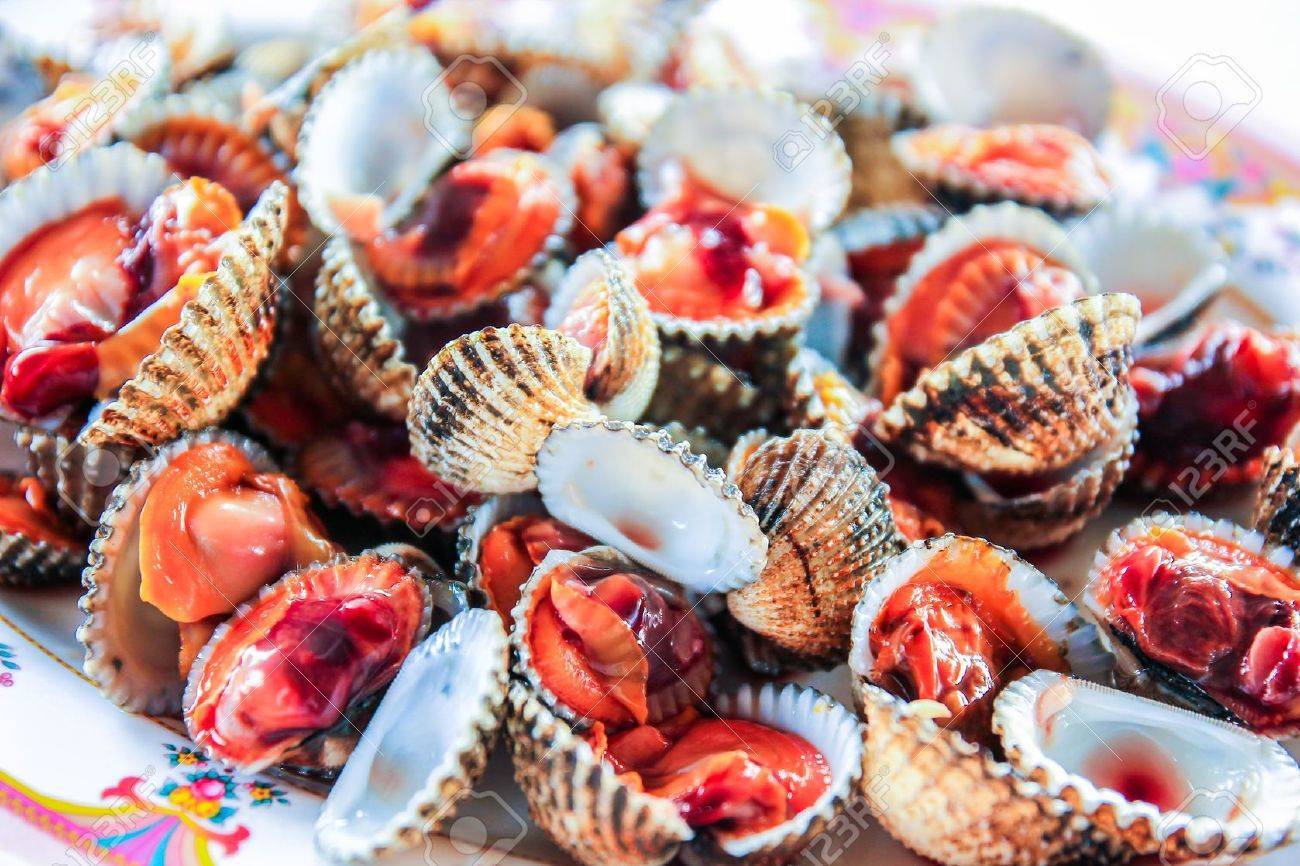
Blood Cockle (Anadara granosa)
What they eat:
- Detritus and algae from muddy substrates
Shell colors:
Brownish white shell; bright red flesh
How diet affects color:
Iron-rich sediments and algae contribute to both shell staining and the cockle’s famously red hemoglobin-rich blood.
Example regions:
- Southeast Asia
- Coastal China and Vietnam
When Environment Joins the Menu
Diet doesn’t act alone. Water chemistry, temperature, sunlight, and sediment all influence how pigments are processed and deposited. The same species can look wildly different depending on where it lives and what food dominates the local ecosystem.
This is why shell collectors often notice:
- Deeper colors in nutrient-rich waters
- Paler shells in sandy or low-algae regions
- Unique regional “signatures” in shell patterns
Shellfish shells are living records of their environment—especially their food. Every stripe, tint, and shimmer reflects a diet shaped by local algae, plankton blooms, and underwater landscapes. In a very real sense, shellfish truly wear what they eat