
How is Beach Glass Made?
Seashell Supply on 14th Aug 2026
Frosted by the Sea: How Ordinary Glass Becomes Beach Glass
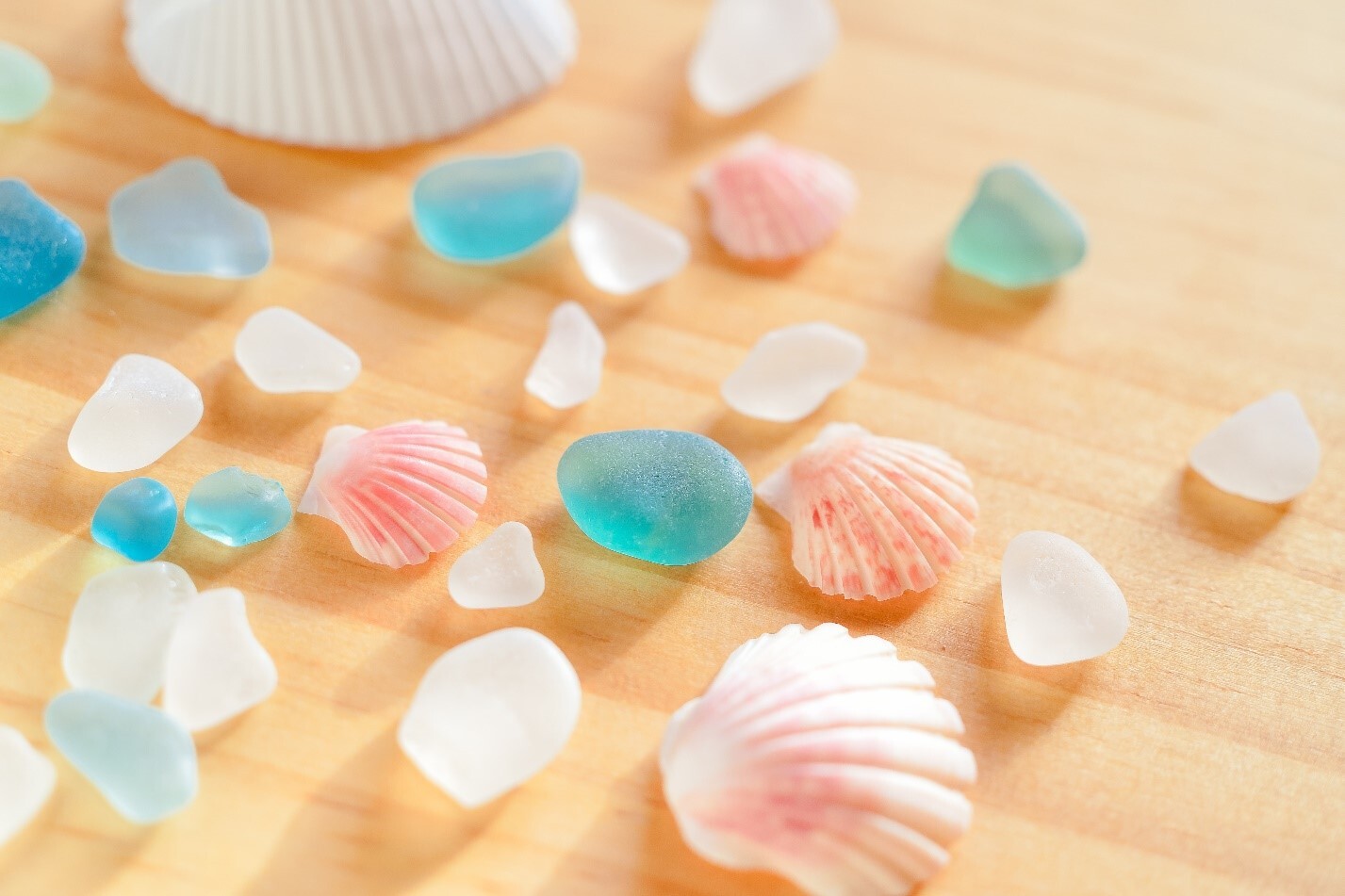
Pick up a piece of beach glass and turn it in your fingers. The edges are smooth and rounded, the surface has a soft, chalky frost, and the color seems to glow from within rather than reflect light off a hard surface. It looks almost organic — more like a polished stone than something that was once a bottle. That transformation doesn't happen quickly, and it doesn't happen easily. It's the result of years of relentless, unglamorous work by the ocean itself.
It Starts With Broken Glass
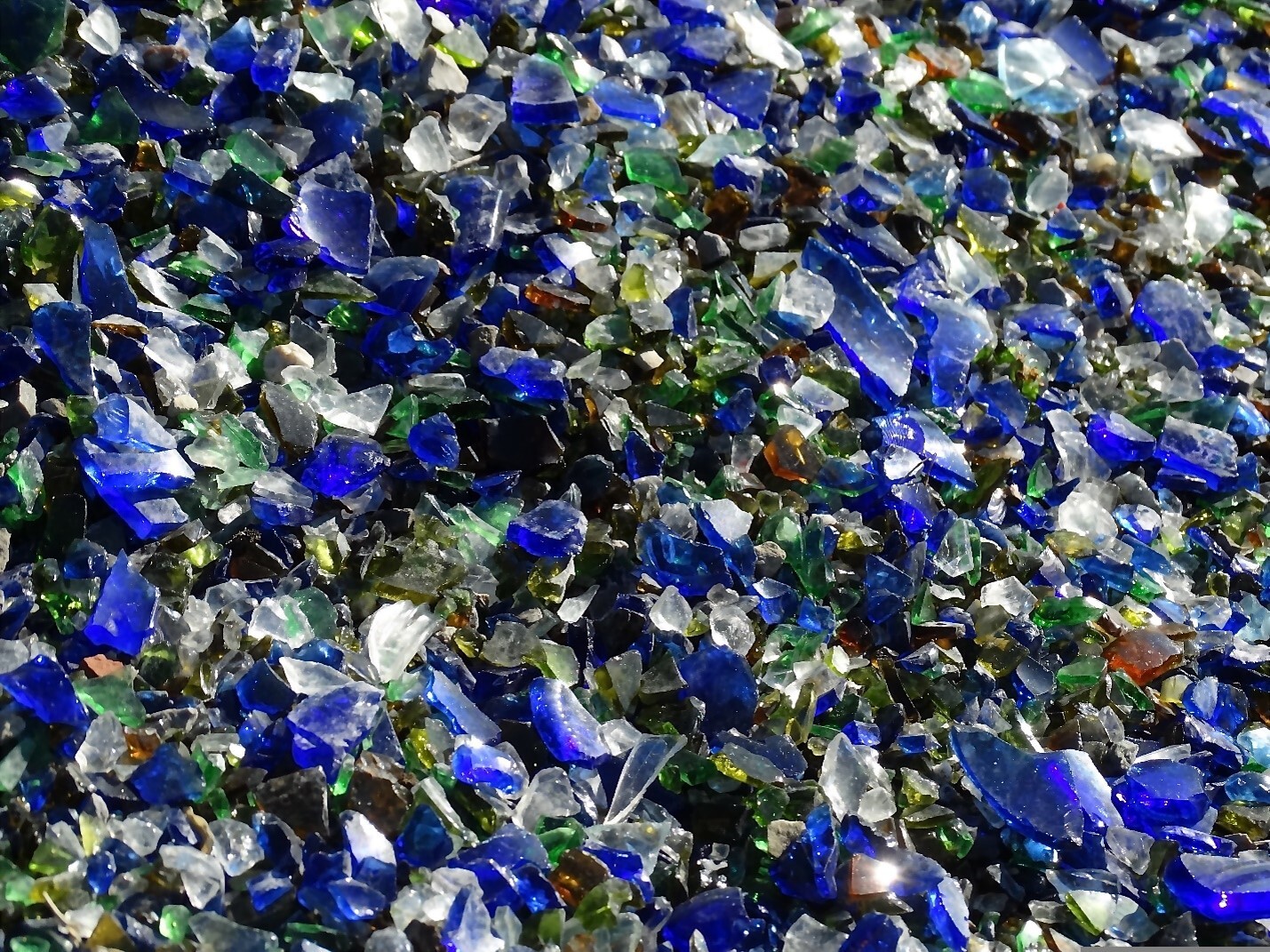
Every piece of beach glass has an unglamorous origin. A bottle thrown overboard. A jar swept off a dock. Decades of coastal dumping, back when the ocean was treated as an endless disposal site. Old shipwrecks slowly releasing their cargo. The glass breaks on rocks or impact, leaving sharp, jagged shards with clean, reflective surfaces — nothing like what they'll eventually become.
For most of the 19th and early 20th centuries, coastal communities disposed of enormous quantities of glass near the water. Old dump sites along shorelines, some now submerged, are still slowly releasing material that has been tumbling for over a hundred years. That's part of why truly well-frosted, well-rounded beach glass is becoming harder to find — the great dumps are exhausted, and modern glass ends up in recycling bins rather than the sea.
Three Forces Doing the Work
The transformation from broken glass to beach glass involves three processes working together, simultaneously and continuously.
Abrasion is the most visible. Waves carry the glass fragments against sand, pebbles, and other rocks, grinding the sharp edges down and rounding the overall shape. This is purely mechanical — the constant tumbling action of the surf, hour after hour, tide after tide. A piece of glass tumbled in strong wave action on a rocky beach will round out far faster than one sitting in calm, sandy shallows.
Etching is what creates the frosted surface. Seawater is mildly alkaline, and over time it reacts chemically with the silica in glass, breaking down the smooth outer surface at a microscopic level. This process — technically called hydration or glass corrosion — creates the network of tiny pits and irregularities that scatter light rather than reflecting it cleanly. That's the frost. It's not a coating on top of the glass; it's a structural change to the surface itself.
Rounding happens as a result of both abrasion and the natural physics of tumbling. Corners and edges are the most exposed points on any fragment and wear down fastest. Over time, even an angular shard trends toward an oval or disc shape. The ocean is a patient sculptor with no preference for any particular form — it just keeps removing whatever sticks out.
How Long Does It Actually Take?
The honest answer is: it depends, but longer than most people assume. Collectors and researchers generally cite 20 to 50 years as the range for glass to develop the full frosted, well-rounded appearance associated with quality beach glass. Some pieces, found on beaches near very old dump sites or recovered from deep in the surf zone, may have been tumbling for 80 to 100 years.
The variables are significant. Thick glass from old bottles takes longer to round than thin glass. Beaches with strong wave action and coarse gravel accelerate the process compared to calm, sandy shores. Water temperature matters too — chemical reactions, including the etching process, slow down in cold water. A piece of glass tumbling in the North Atlantic is aging differently than one in the Caribbean.
Why Some Colors Are Rarer Than Others
Beach glass color comes entirely from the original glass, and some colors were simply produced in far smaller quantities historically. Brown and green glass — beer bottles, wine bottles, olive jars — was made by the billions, so those shards are everywhere.
Soft blue and aqua came from old medicine bottles, Ball canning jars, and early soda bottles from the late 1800s and early 1900s — produced in large numbers but not nearly as ubiquitous as beverage glass. Cobalt blue came from poison bottles, Milk of Magnesia containers, and certain ink bottles — less common still.
The genuinely rare colors reflect genuinely rare original uses. Orange glass was used for very specific industrial and decorative purposes. Red came from old nautical lanterns, certain early tableware, and specialty bottles — all produced in tiny quantities. Finding a piece of red beach glass is a matter of years of hunting and a fair amount of luck. The ocean made plenty of it smooth and frosted; there just wasn't much red glass to start with.
The End of an Era
There's a quiet irony in the current popularity of beach glass. We love it now precisely because it's becoming scarce. Modern glass packaging is increasingly replaced by plastic. What glass does get used ends up in recycling programs rather than coastal dumps. Environmental regulations that rightly cleaned up our shorelines also cut off the supply of new raw material entering the tumbling cycle.
The beach glass washing up on shores today is largely a legacy of the 19th and 20th centuries — a slow, beautiful side effect of a less careful era. In another few decades, well-tumbled, deeply frosted pieces may be genuinely rare finds rather than a lucky afternoon's collection.
Patience Made Visible
What makes beach glass so compelling, ultimately, is that it makes time tangible. You can hold a century of wave action in your palm. Every rounded edge is a record of thousands of tides. The frost on the surface is the ocean's own slow chemistry, written in glass.
It's one of the few things in the world that is unambiguously made better by being lost, forgotten, and left alone for a very long time.