

How to Identify Seashells on Your Next Beach Walk
Seashell Supply on 20th Nov 2026
Every beach has a story written in shells. A single stretch of sand can hold the remains of dozens of species, from tiny bivalves to spiraled snails. Once you know what to look for, a casual stroll turns into a treasure hunt.
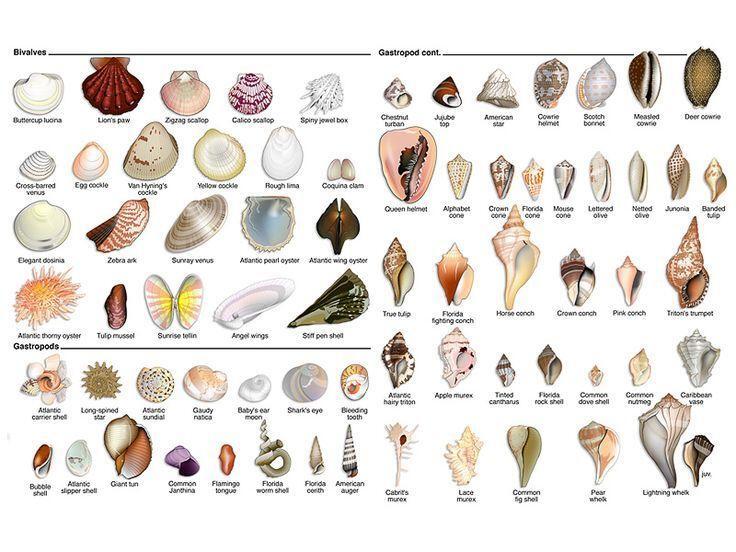
Start With the Big Divide: Univalve or Bivalve?
Most shells you’ll find belong to one of two groups.
Bivalves come in two hinged halves, like clams, scallops, cockles, and mussels. You’ll usually find the halves separated, since the hinge breaks down after the animal dies. Look for growth rings, ribbing, and the hinge teeth near the top.
Univalves (gastropods) are single, usually spiraled shells, like conchs, whelks, cowries, moon snails, and cone shells. Check the opening, called the aperture. Is it wide and smooth, or long and narrow? Does it have a siphonal canal, a notch or tube at the base?
Five Features That Narrow It Down
- Shape of the spire. Is it tall and pointed, or flat and low?
- Surface texture. Smooth and glossy shells like cowries differ from ribbed, knobby, or spiny ones.
- Aperture. Its width, lip shape, and any teeth are among the most reliable clues.
- Color and pattern. Beach wear fades color, so rely more on structure than on hue.
- Size and location. Where you found it matters. Species ranges are surprisingly specific.
Why Beach-Worn Shells Fool Everyone
Surf and sand polish shells smooth, strip away color, and chip delicate spines. A weathered shell can look like a completely different species. When in doubt, compare several specimens and look at the protected parts, like the inside of the aperture or the area near the hinge.
Collect Responsibly
- Check local rules. Some beaches and parks restrict collecting, and many protect live animals.
- Leave occupied shells. If something’s inside, put it back.
- Take only what you’ll use. Shells provide homes for hermit crabs and nutrients for the beach ecosystem.
- Know the regulations. Certain marine species, including some corals and seahorses, are covered by international trade rules such as CITES. Reputable sellers document where their specimens come from.
Build a Collection Worth Keeping
Once you’ve found a few favorites, display them well. Label each with where and when you found it, group them by family, and keep a small field guide handy. Shells from different parts of the world make a great way to fill gaps your local beaches can’t.
That’s where we come in. At Seashell Supply and Emporium, we offer sourced shells and marine specimens from around the world, shipped internationally, for collectors, crafters, and curious beachcombers alike. Browse the shop to find your next piece.