
The Quiet Music of the Shore: Making Sea Glass Wind Chimes
Seashell Supply on 31st Jul 2026
There's something almost magical about sea glass — those frosted, smooth-edged fragments of bottles and jars that the ocean tumbles into gems over decades. Finding a piece on the beach feels like a small gift. Stringing several together into a wind chime feels like making the shore sing.
What Is Sea Glass, Really?
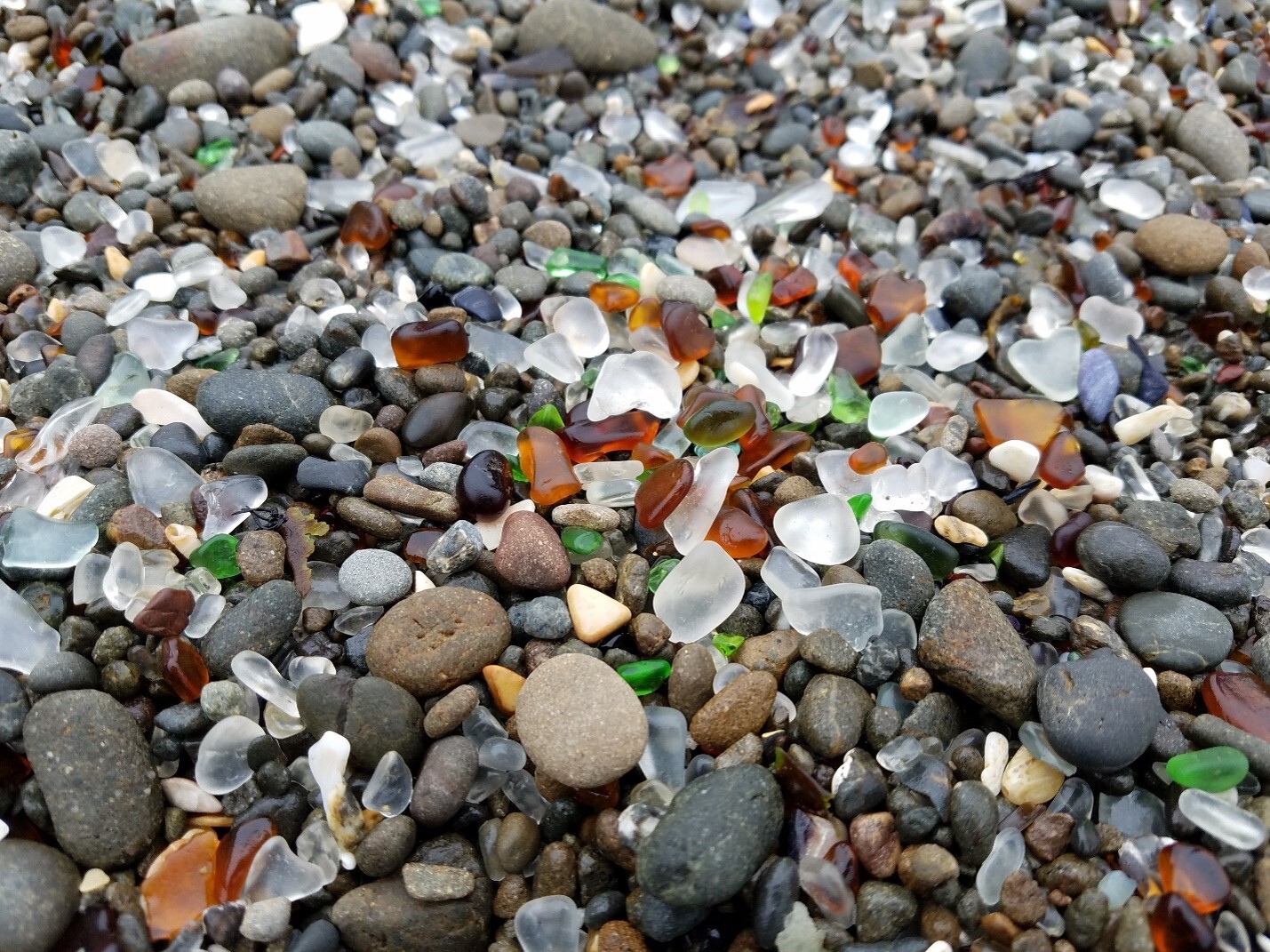
Sea glass starts as ordinary broken glass — a discarded bottle, a mason jar, a windowpane — tossed into the ocean. Over 20 to 50 years, the waves grind the sharp edges away and the saltwater etches the surface, leaving behind that distinctive frosted appearance. The rarer the original color, the more prized the piece: common greens and browns are easy to find, while cobalt blue, orange, and red are genuinely hard-won treasures.
Why Wind Chimes?
Unlike metal or bamboo chimes, sea glass wind chimes produce a softer, more delicate sound — a gentle clinking rather than a ring or clang. They catch light beautifully, scattering pale greens, blues, and ambers across a porch wall on a sunny afternoon. They're also wonderfully personal. Every piece you hang was once lost, battered, and reborn. That's a story worth displaying.
Getting Started
You don't need to collect all your glass yourself (though beachcombing is half the fun). Craft stores and online sellers carry bags of tumbled sea glass if you want to dive straight into building. You'll also need a few basics: a hand drill with a small diamond-tipped bit, fishing line or thin wire, driftwood or a copper pipe for the top bar, and a handful of small metal rings to help pieces hang freely.
Drilling sea glass is easier than it sounds. Keep the glass submerged in a shallow dish of water while you drill — this keeps the bit cool and prevents cracking. Go slow, let the bit do the work, and don't press down hard.
Arranging and Assembling
The beauty of sea glass chimes is in the arrangement. Group pieces by color for a monochromatic, elegant look, or mix freely for something more eclectic and beachy. Vary the lengths of your strands so the pieces catch different amounts of breeze and click against each other at different moments. Odd numbers of strands tend to look more natural than even ones.
Tie each strand to your driftwood bar, hang it somewhere that gets a light, steady breeze — a covered porch is ideal — and let the ocean do the rest.
A Small Act of Preservation
There's a quiet satisfaction in making something beautiful from what the sea discarded. Sea glass wind chimes are easy enough for a weekend afternoon and meaningful enough to keep for years. And every time the wind picks up and the glass sings, you get a little echo of the shore — even if you're miles from the water.